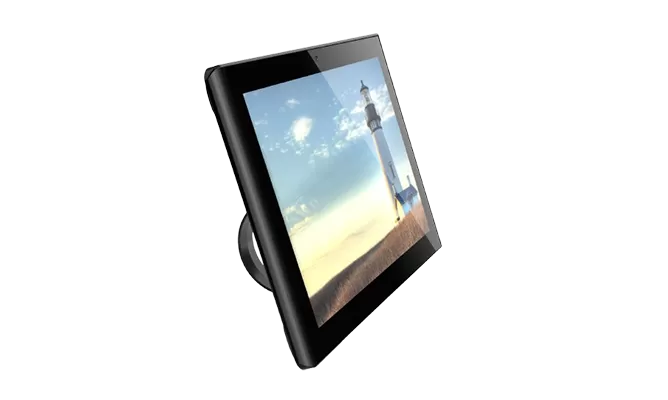
In today's fast-paced commercial environments, smart kiosks have evolved from simple self-service terminals into powerful interactive systems that enhance customer experience, drive engagement, and automate operations. At the heart of this transformation is the rise of the industrial android board — compact yet powerful computing platforms optimized for stability, connectivity, and intelligent processing.
Industrial Android boards like those offered by Sunchip are becoming the foundation of next-generation smart kiosks due to their ability to combine robust hardware, flexible interfaces, and Android's versatile software ecosystem. In this article, we explore why these boards are revolutionizing kiosk design and deployment across industries.
A modern android board must deliver a unique blend of performance, connectivity, and integration capabilities to support interactive kiosk solutions. Unlike general-purpose single-board computers, industrial Android boards are purpose-built for commercial reliability and extendable functionality.
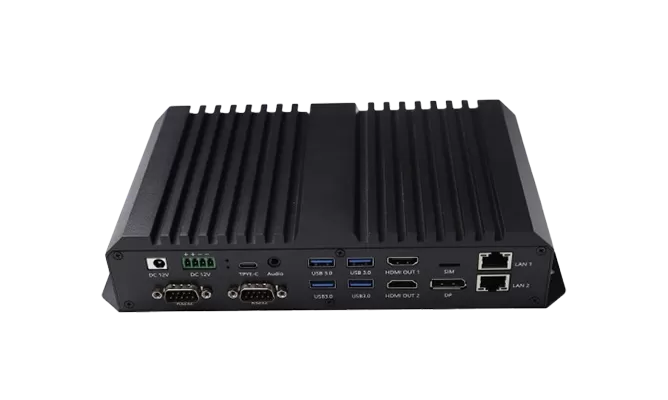
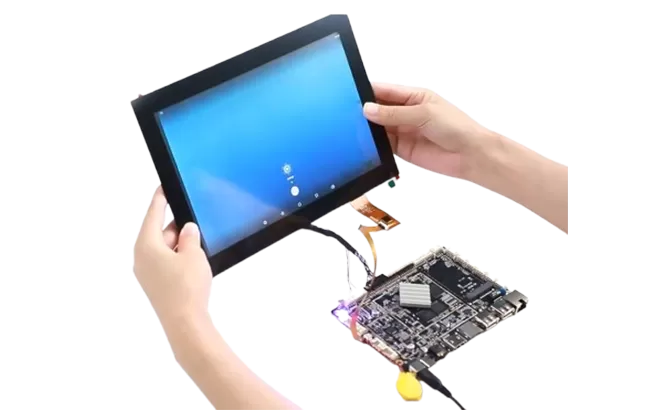
Sunchip's Android board lineup is designed with industrial use in mind. Featuring high-performance processors, ample RAM configurations, and a diverse set of connectivity options including Ethernet and multiple USB ports, these boards serve as reliable compute engines for kiosk systems. Their robust I/O interfaces — including GPIO and I2C — enable seamless integration with peripherals such as touchscreens, cameras, barcode scanners, printers, and payment modules, making them suitable for complex kiosk deployments in retail, transportation, hospitality, and public services.
The flexible connectivity and peripheral support are crucial because smart kiosks often interact with external hardware components, handle real-time inputs, and must operate reliably in public or commercial settings. Android boards' robust design ensures they can meet these demanding requirements.
Smart kiosks require responsive performance to handle user interactions, media playback, and backend connectivity without lag. Industrial Android boards deliver this capability with powerful CPUs and optimized graphics engines. Depending on the model and chipset used, some advanced Android boards can even support high-resolution video playback, graphical user interfaces (GUIs), and AI-powered applications.
For instance, Android boards based on advanced chipsets such as the Rockchip RK3588 provide an octa-core architecture that combines high-performance processing with efficient multitasking. Industrial boards built around similar processors support high-resolution video output and scalable performance needed for vivid digital signage, interactive menus, and responsive touch interfaces — all essential for engaging kiosk experiences.
Additionally, the use of Android as the operating system offers developers a rich ecosystem of applications, tools, and UI frameworks. This familiarity significantly reduces development time and allows kiosk creators to leverage existing Android apps or custom solutions built on widely supported SDKs.
One of the biggest strengths of industrial Android boards is their multimedia and connectivity capabilities, which are essential for modern smart kiosks. Digital signage, promotional videos, and interactive map interfaces all demand robust video support and smooth content rendering.
High-end Android boards support multiple display interfaces and high-resolution outputs such as HDMI, MIPI, and LVDS, enabling kiosks to drive both single and multi-panel screens. For LCD digital signage display and video wall setups, these boards offer rich multimedia decoding capabilities alongside real-time content management.
In addition to display support, industrial Android boards typically provide comprehensive connectivity options including Gigabit Ethernet, USB ports, Wi-Fi, and Bluetooth. These network interfaces allow kiosks to remain connected to backend systems, cloud services, or content management platforms. Ethernet ensures stable wired connections for critical information kiosks, while wireless connectivity eases deployment in locations where cabling may be impractical.
Together, these features empower kiosk makers to create systems that deliver visually engaging content, maintain reliable updates, and support interactive user queries.
Smart kiosks often run 24/7 in high-traffic environments such as shopping malls, airports, and public venues. This demands hardware that can withstand continuous operation, fluctuating ambient conditions, and extended lifecycles without failure.
Industrial Android boards designed by Sunchip and similar manufacturers use robust components and industrial-grade power circuits to ensure stability and longevity. These boards are built to handle extended operation with efficient thermal management and solid power protection, minimizing the risk of crashes or interruptions in public deployments.
Furthermore, Android boards' support for OTA (over-the-air) updates and remote content management allows businesses to push software upgrades, security patches, and new media content without needing physical access to each kiosk. This remote management capability enhances operational efficiency, reduces downtime, and keeps user experiences fresh and secure.
The rise of industrial Android boards marks a significant shift in how smart kiosks are designed, deployed, and maintained. With powerful processors, versatile connectivity, seamless multimedia support, and industrial-grade reliability, these boards provide a scalable foundation for next-generation interactive systems.
For businesses and developers looking to build robust and engaging kiosk solutions, Sunchip's Android boards offer a compelling choice that blends performance with flexibility. Whether for digital signage, self-service terminals, or intelligent retail systems, Android boards are accelerating the evolution of smart devices in 2025 and beyond.

 EN
EN